
Language
Menu
Language

Close
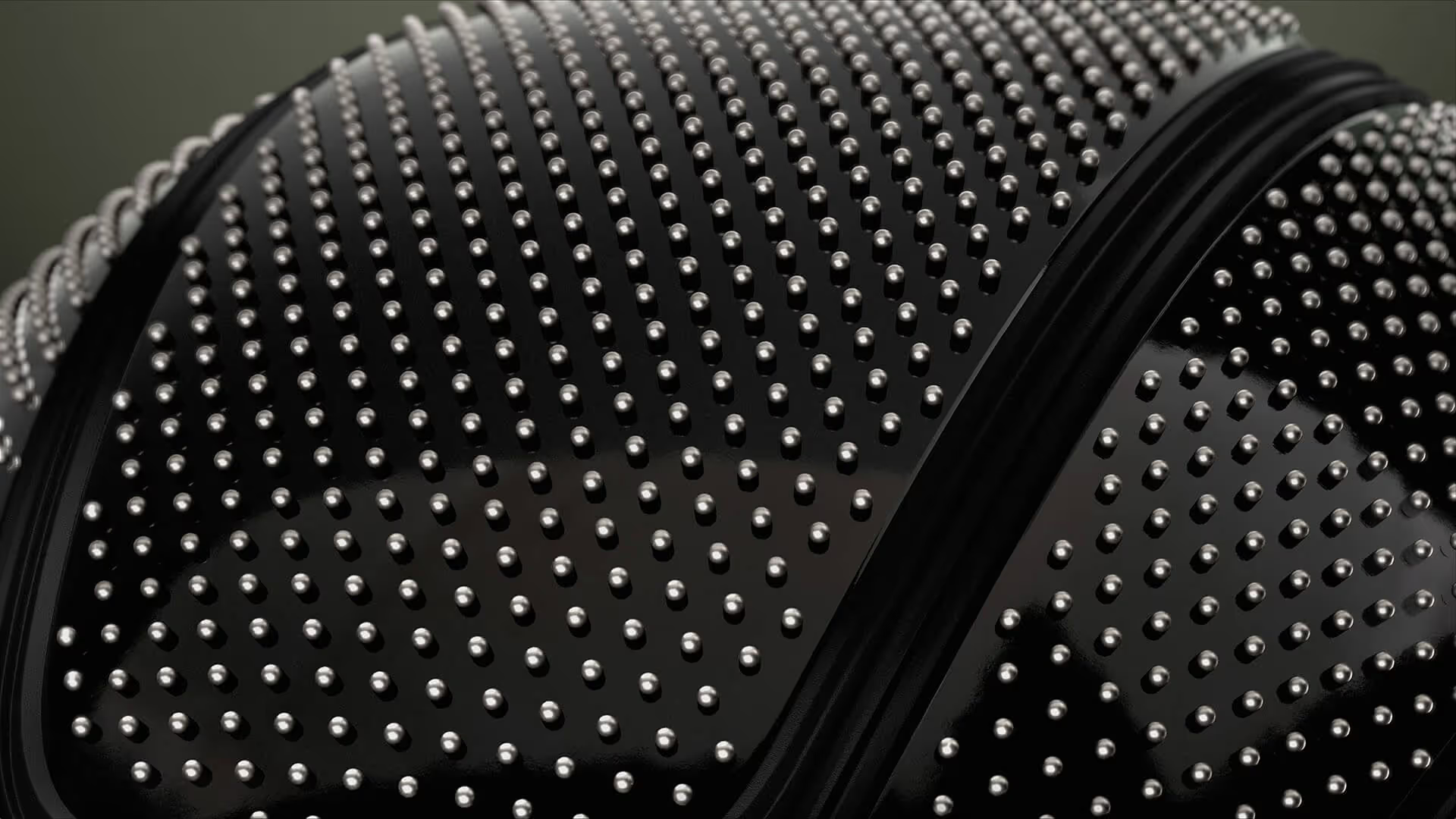
The genius of RLS
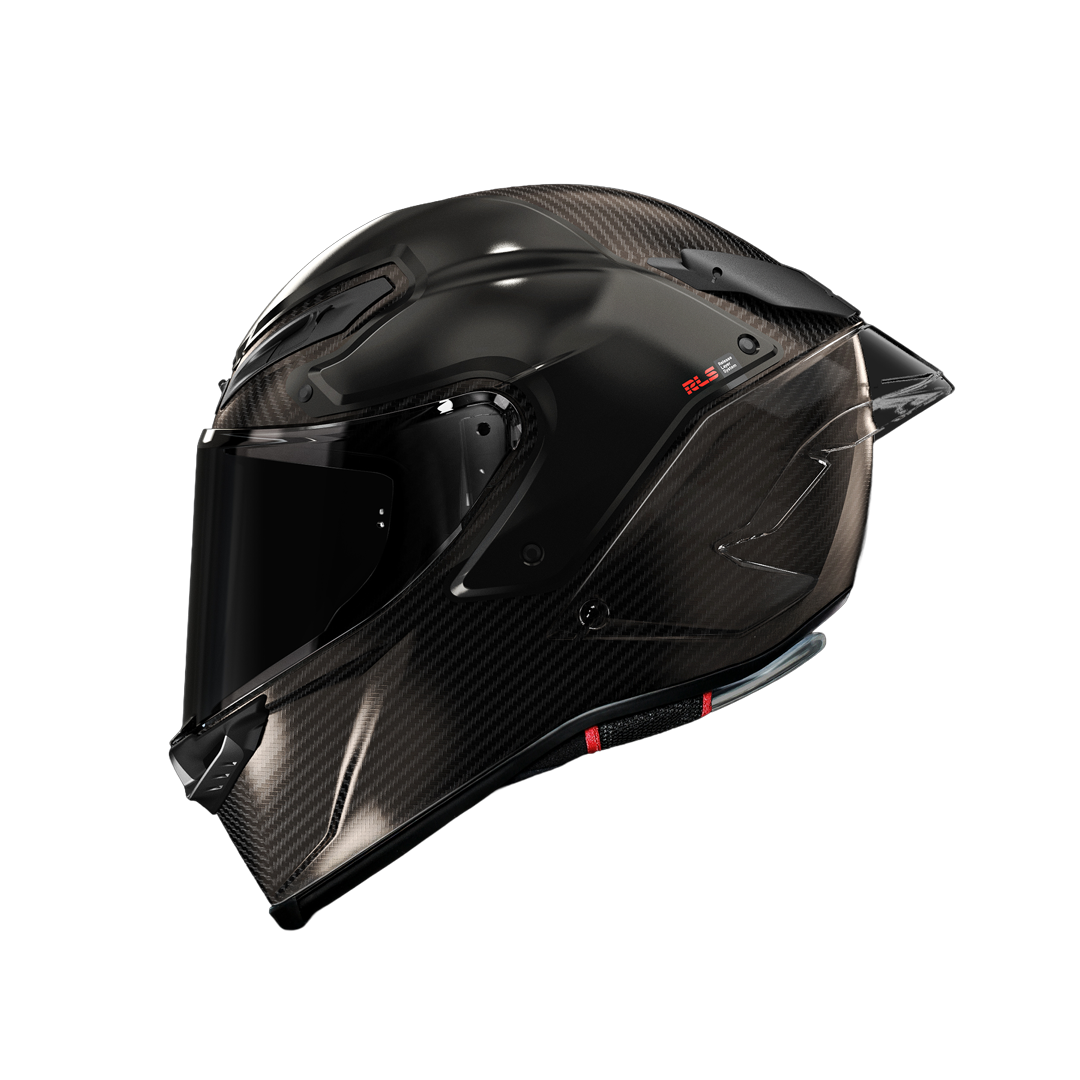
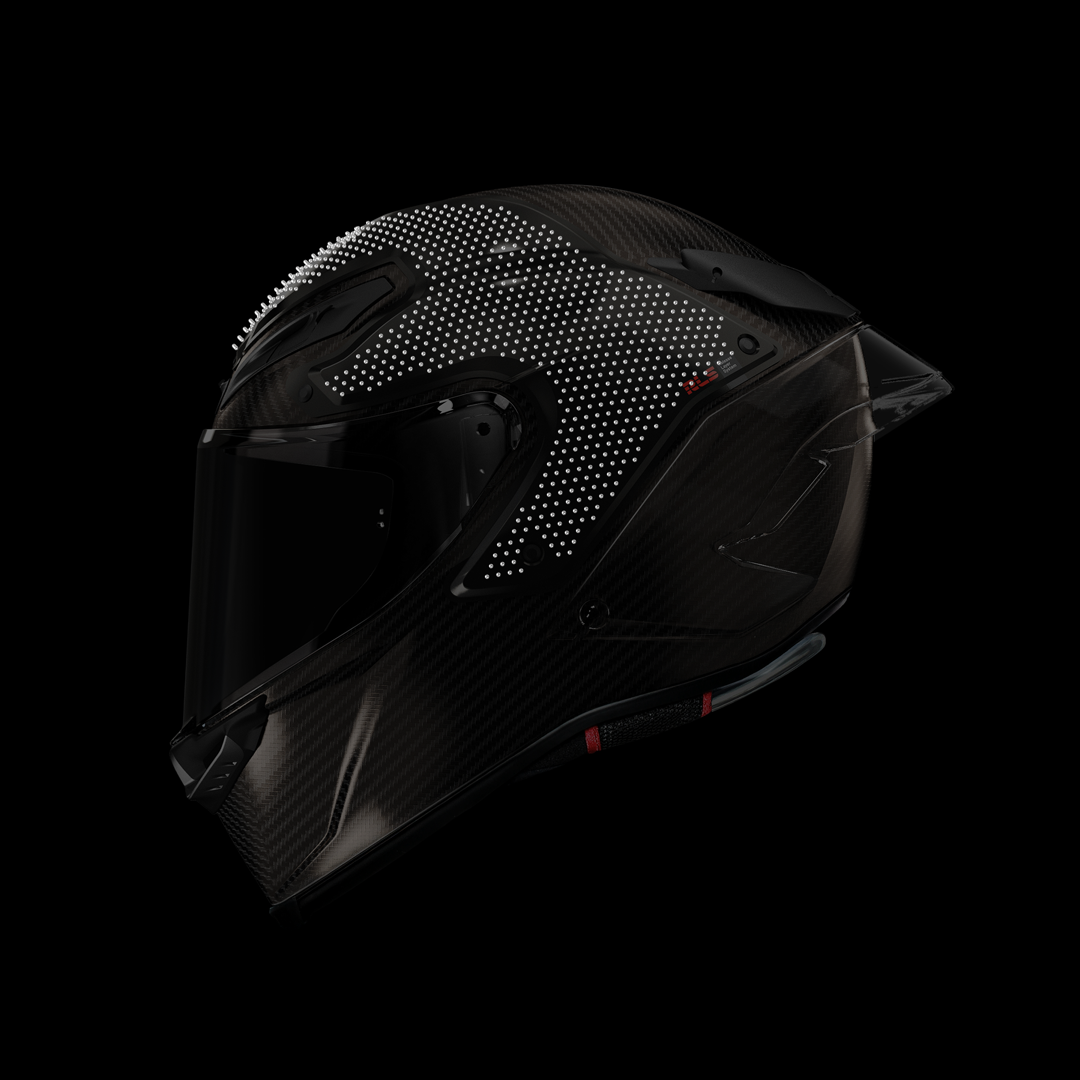
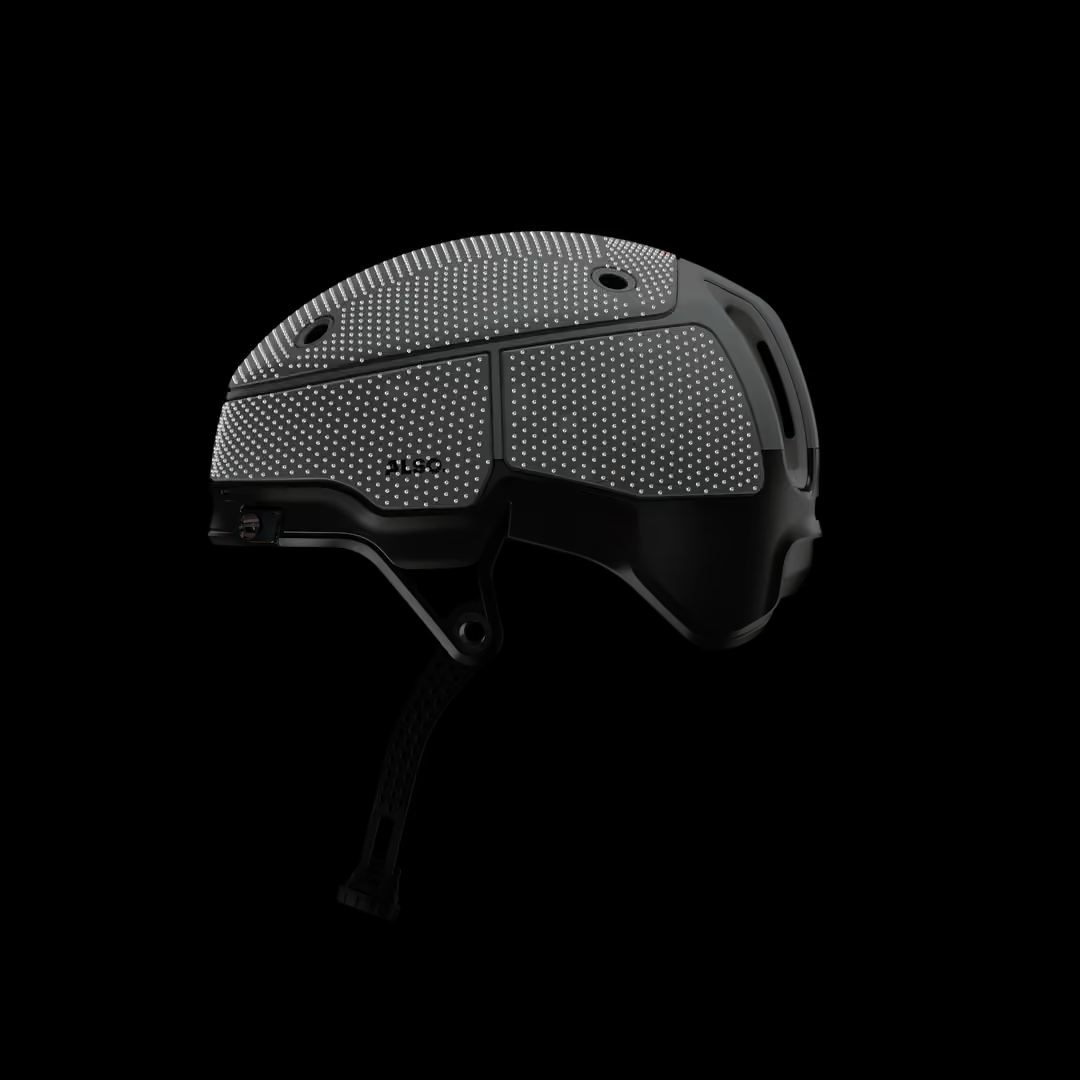
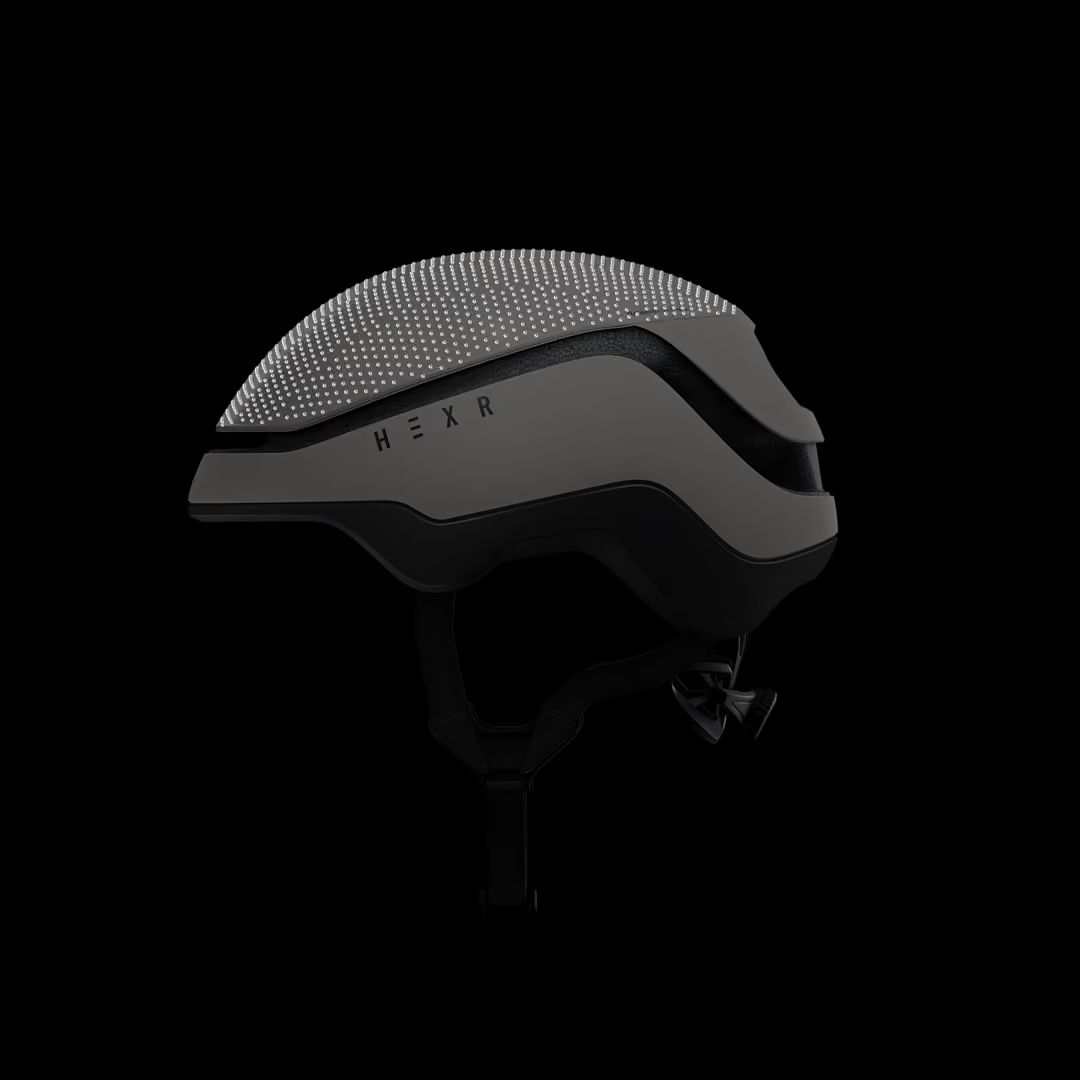
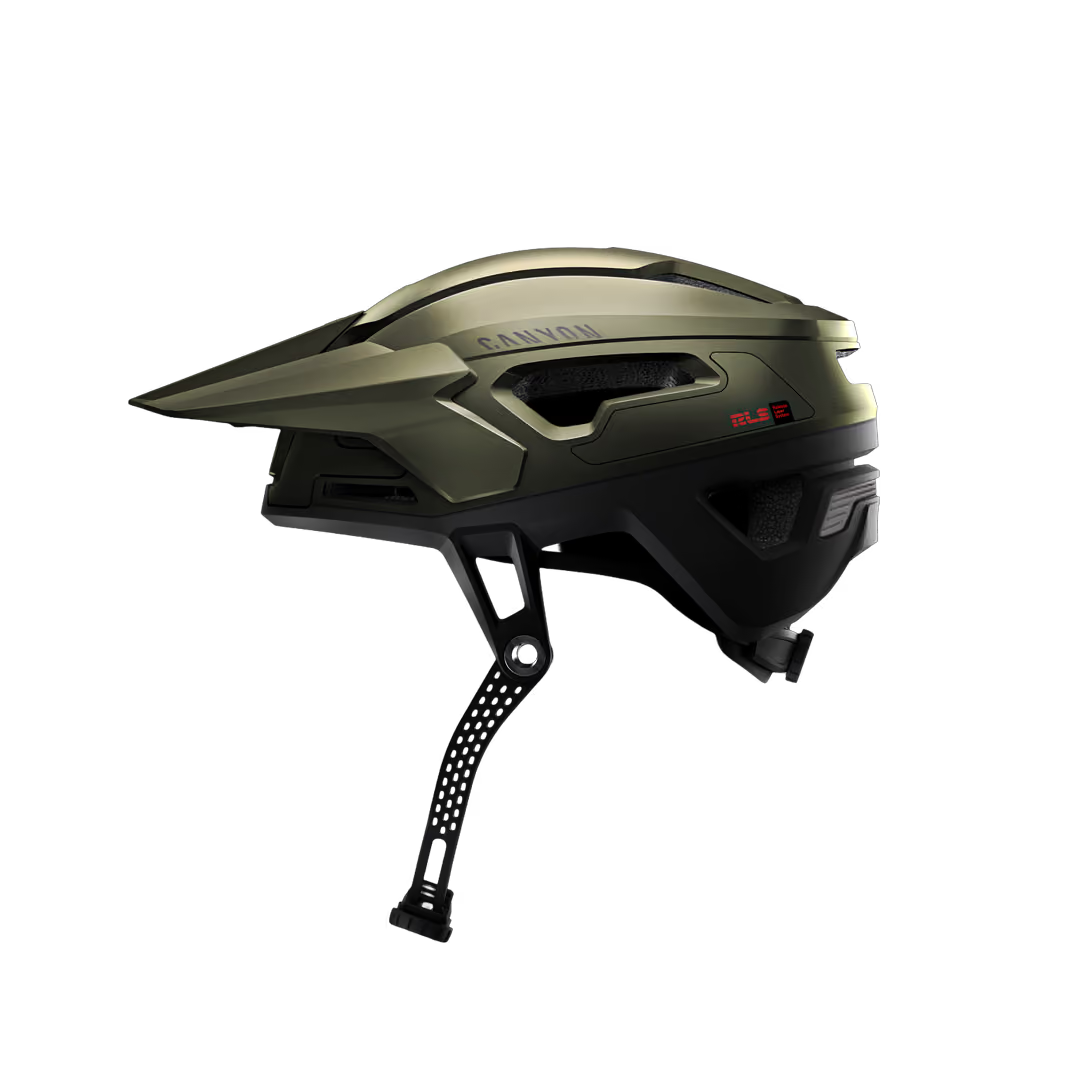
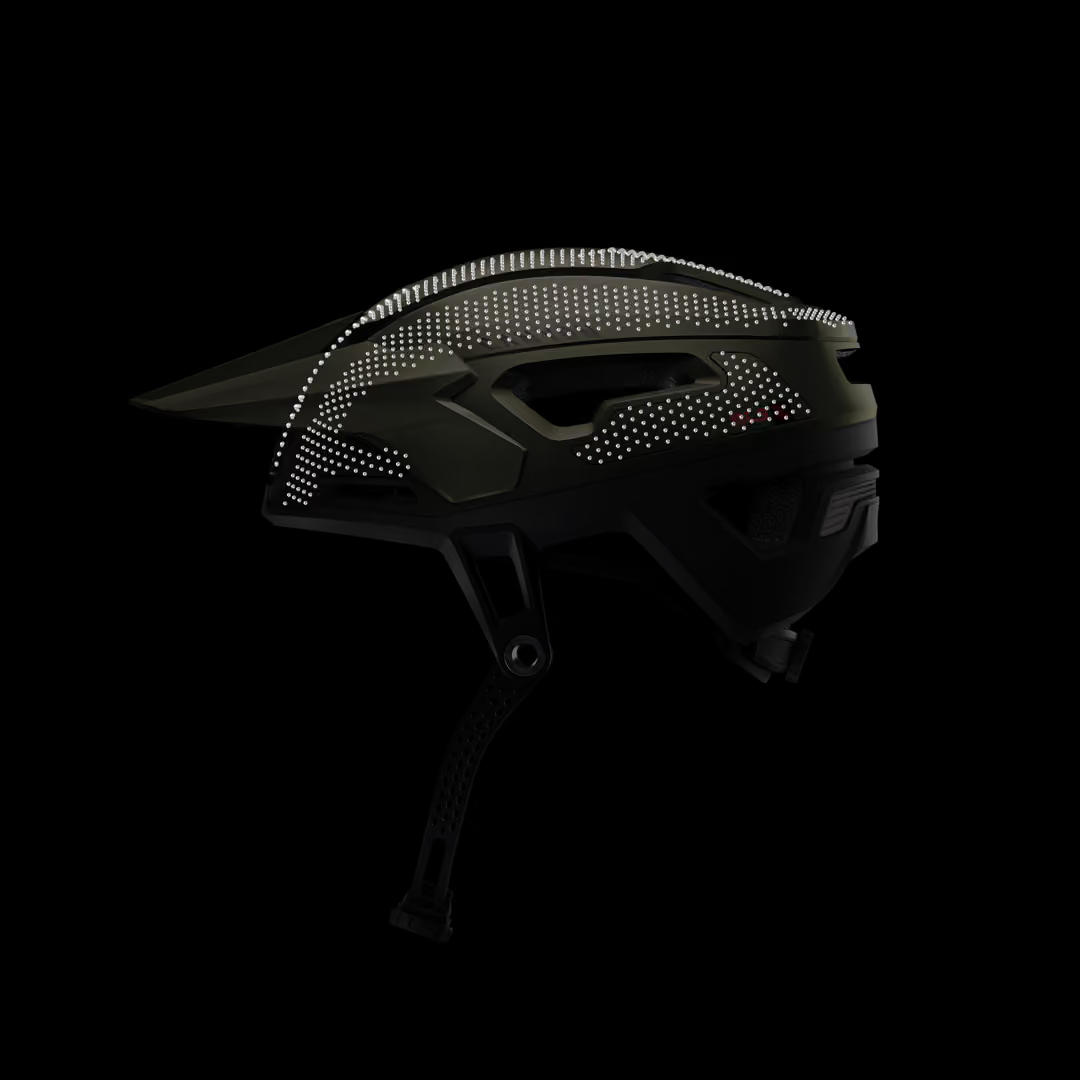
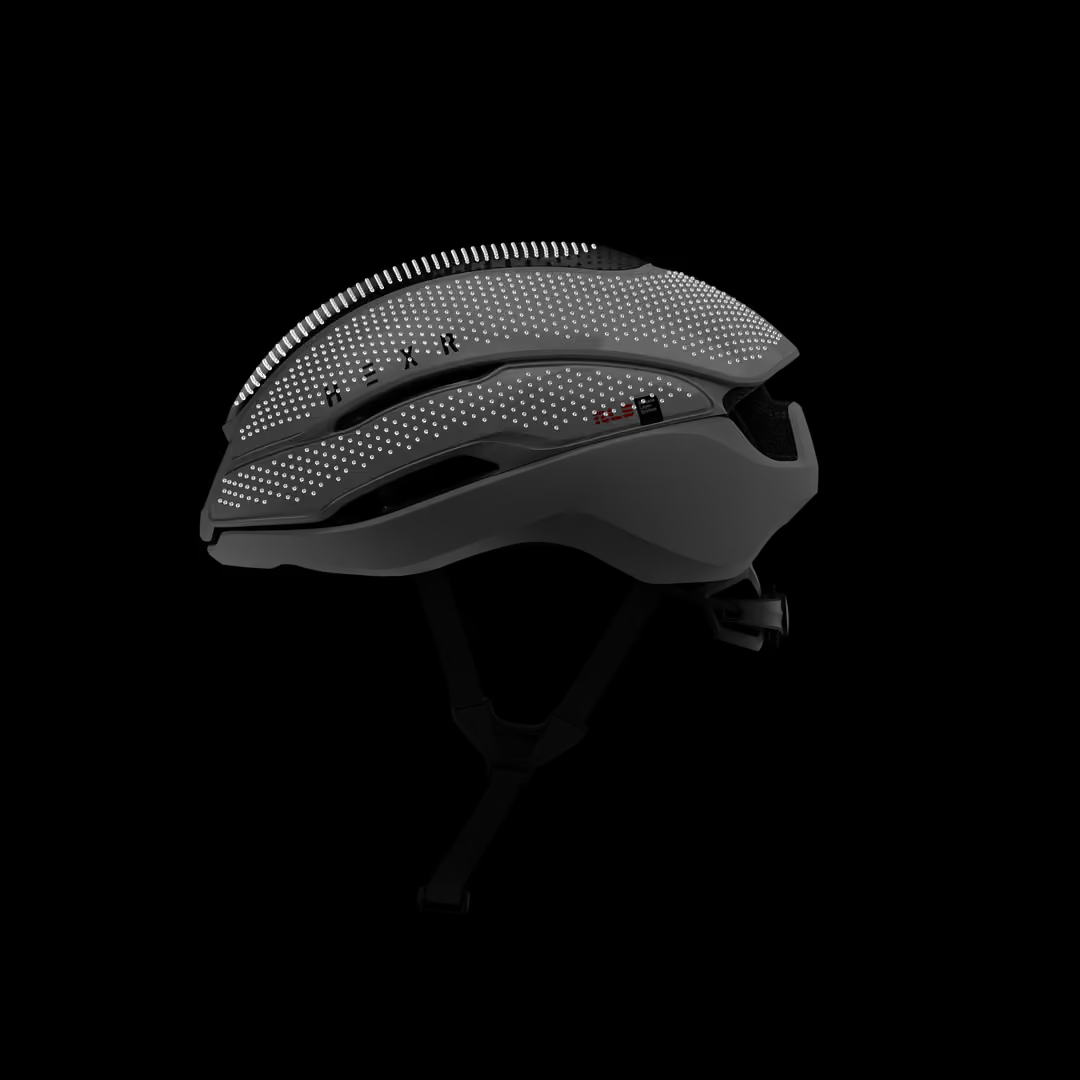
The patented RLS Force Activated Adhesive is engineered to react instantaneously.
RLS Panel is now free to roll on lightweight polycarbonate bearings in any direction, to redirect rotational energy away from the brain.
Panel releases to further deflect rotational energy, which can help better protect helmet wearers from concussive force.
React
Roll
Release
In a pooled analysis including 68 different bike helmets tested by Folksam Insurance between 2019 and 2023, RLS was shown to reduce the relative risk of concussion by 76% compared to conventional bike helmets tested in this set. RLS was also shown to reduce the relative risk of concussion by 63% when compared to bike helmets equipped with Mips in this data set.
See the raw data here.
15% TBI Risk
40% TBI Risk
62% TBI Risk
All helmets absorb some degree of linear force. But a helmet can be more effective at reducing the risk of brain injury if it can also deflect rotational force away from the brain. Independent testing has shown that helmets equipped with RLS can deflect more rotational motion, measured in radians per second or “rad/s.”
Conventional helmets can absorb direct impact but are not designed to mitigate rotational impact forces that cause concussion and TBI. Notice how the standard helmet “spins” upon impact, where the RLS helmet deflects rotational force and remains in line. This difference is crucial, because when the helmet spins, the brain can too. To protect the brain, a helmet must do more than just absorb, it must also deflect. The RLS Release Layer System deflects better than any other.
Conventional helmets can help reduce linear impact force to the skull but are not designed to mitigate rotational force (shown to cause concussion and TBI). When an ordinary helmet impacts a surface, it is far more likely to grip, spin, and transfer that rotational force to the brain.
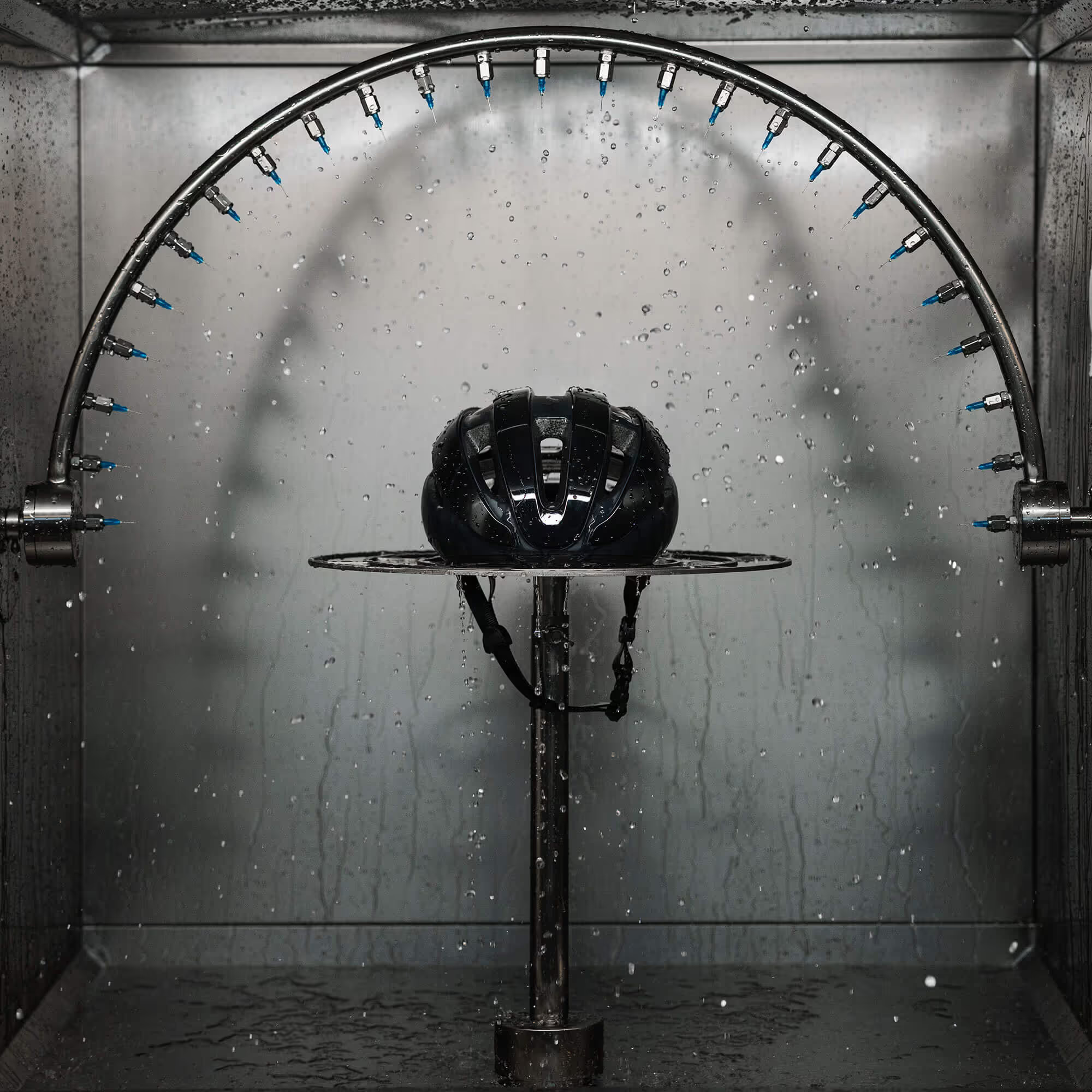
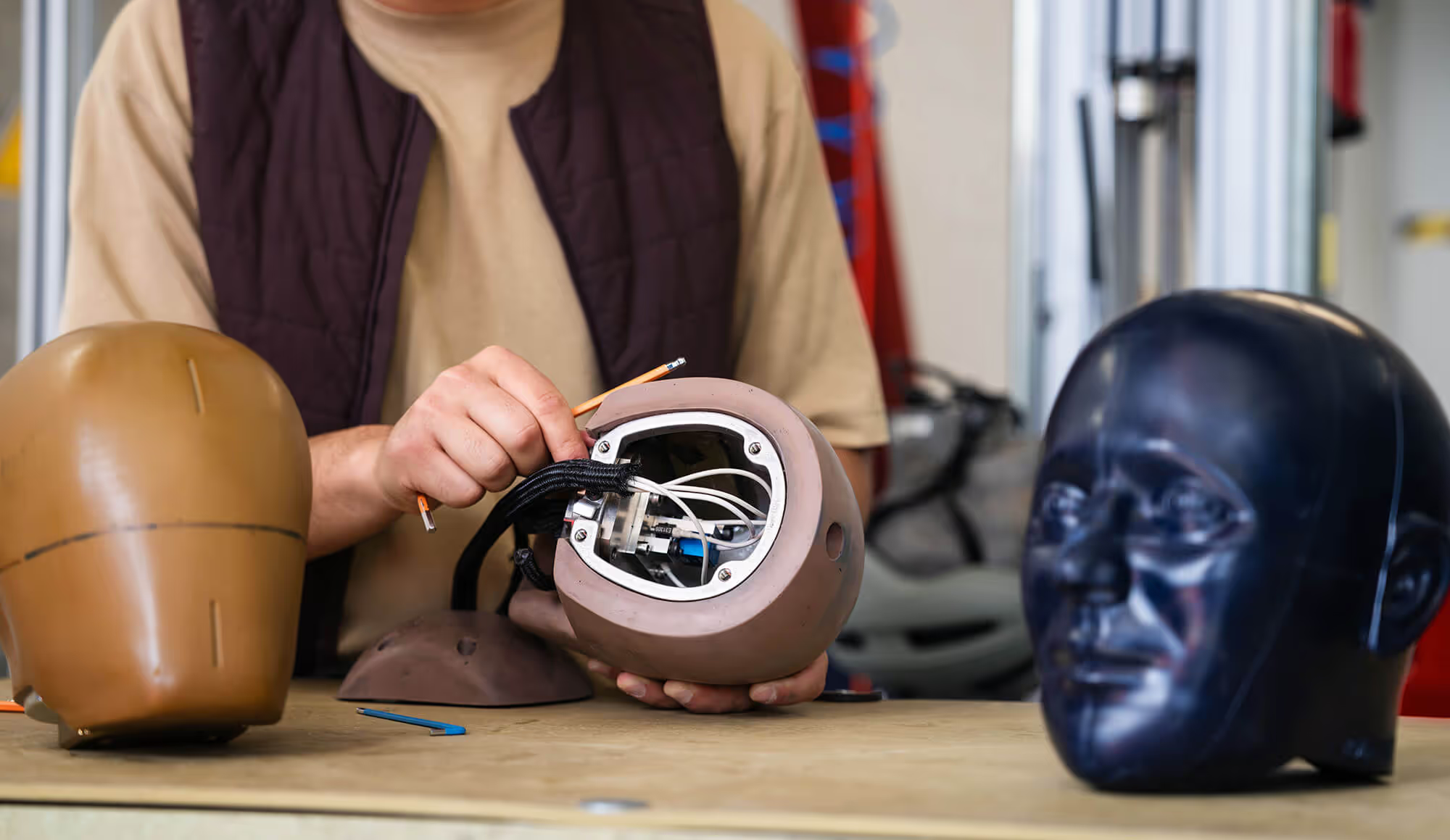
We intentionally use the same sensors, test methodologies and head forms as Mips, Virginia Tech, Sharp, and other test labs. We replicate the same impacts and use industry standards to evaluate TBI risk.
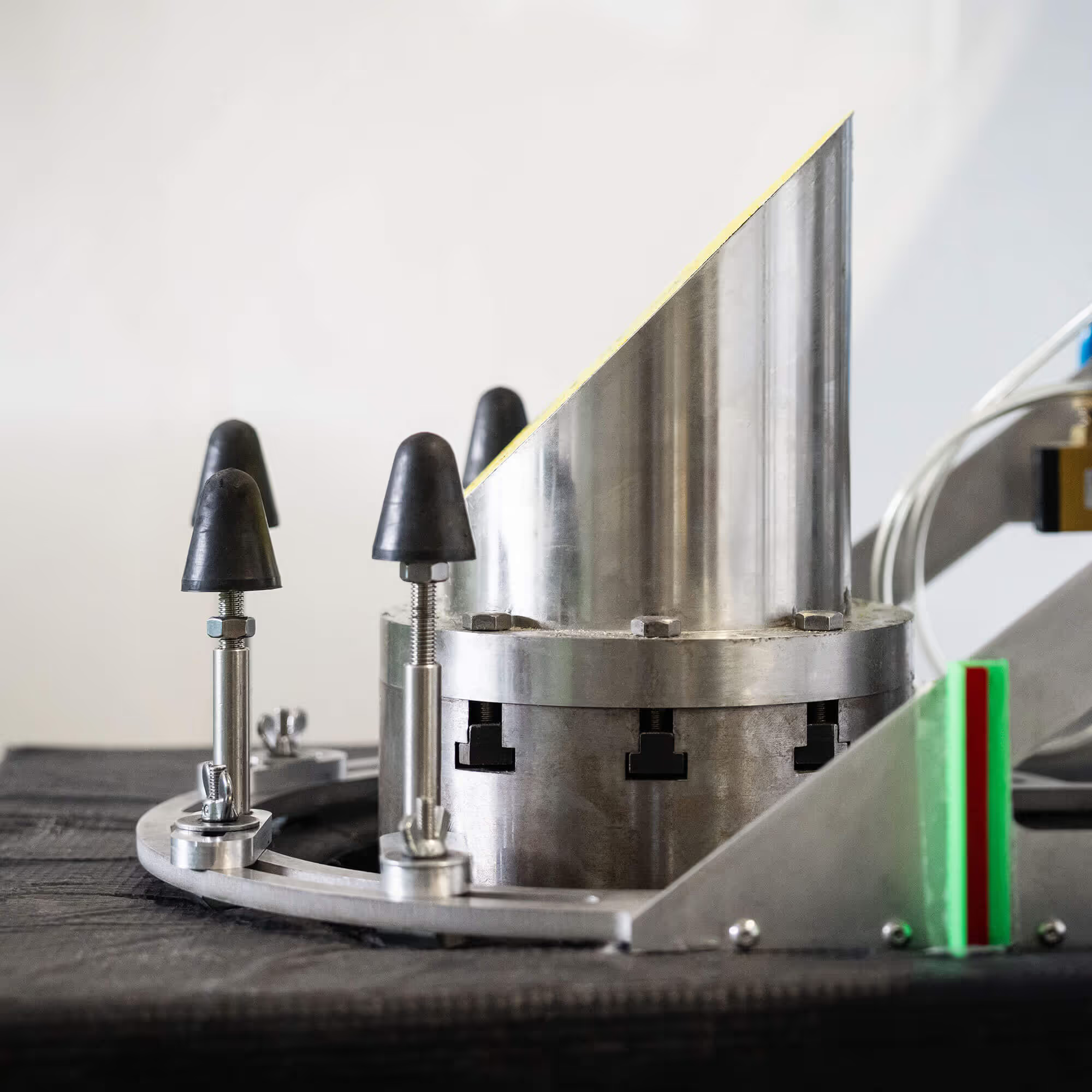
But testing methods are pretty much where the similarities end. Because where Mips relies on sliding, with only 10-15mm of relative motion, RLS can allow for an unlimited range of outer-layer movement, through the full release of panels.






All RIghts Reserved. RLS Copyright 2026
